Phenotyping of Environment-Physical Activity Dynamics in Youth During the Summer: A Multilevel Dynamic Structural Equation Modeling Approach
Abstract
Community Summary: Teens do not all respond to their surroundings in the same way. Using a week of phone surveys and activity tracker data from 36 Texas students ages 11 to 15 in summer 2025, we looked at what was going on around each teen and how active they were over the next 30 minutes. Overall, teens were more active after moments when they had space to be active and when they were open to joining in with others. We also saw three early patterns. About 4 in 10 teens responded most to their physical surroundings, such as having a place to be active. Another 4 in 10 responded most to the people around them. A smaller group, about 1 in 7, did not seem to be affected much by either. This is an early look at a small group of teens, and we will test these patterns again as more families take part in the study. Over time, this work could help us offer activity support that fits each teen.
Abstract
Purpose: To identify distinct phenotypes characterizing heterogeneous patterns in how social and built environments are associated with future physical activity (PA) among youth during summer. Summer represents a critical period when youth lose access to structured supports and peer networks that facilitate PA during the academic year. Understanding individual differences in environment-PA responsiveness during this vulnerable period can inform just-in-time interventions for youth.
Methods: Ecological momentary assessment data collected from 36 youth in Texas, USA (aged 11-15 years; 1,260 within-day observations) during summer months in May to July 2025. Participants responded to prompts six times daily over seven days, reporting current social environment characteristics (emotional closeness, perceived PA norms, susceptibility to influence from others) and built environment perceptions (perceived safety, pleasantness, PA space availability). Accelerometer-derived moderate-to-vigorous PA in the subsequent 30 minutes was measured. Person-specific coefficients representing individual environment-PA relationships were extracted and subjected to hierarchical cluster analysis using Ward’s method to identify distinct digital phenotypes. Multilevel dynamic structural equation modeling (DSEM) was used to examine temporal relationships between environmental perceptions and subsequent PA within the following 30 minutes.
Results: DSEM revealed significant associations between PA space availability (β=0.24, p<0.001) and social influence (β=0.18, p<0.01) with future PA. Cluster analysis identified three distinct phenotypes: Built Environment Responsive (n=16, 44%), showing high responsiveness to physical environmental cues; Environment Resistant (n=5, 14%), demonstrating minimal responsiveness to environmental factors; and Social Environment Responsive (n=15, 42%), exhibiting strong sensitivity to social network characteristics. Five of six clustering parameters showed significant between-phenotype differences after Bonferroni correction (all p<.001), with adequate clustering validity (Dunn index=0.28).
Conclusions: Youth in this sample demonstrated heterogeneous patterns in environment-PA dynamics, supporting the existence of phenotypes. Digital phenotyping of EMA and sensor-based data may enable just-in-time adaptive interventions tailored to individual environment-PA dynamics during summer. For example, these phenotypes could potentially be used to suggest optimal interventions based on sensitivity to social and built environment factors improving effectiveness and sustainability of behavior change programs.
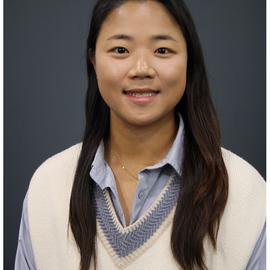
Jeong-Hui Park
Assistant Professor University of Oklahoma
Jeong-Hui Park, PhD, is a tenure-track Assistant Professor in the Department of Health and Exercise Science at the University of Oklahoma, following her doctoral training at Texas A&M University and postdoctoral research at The University of Texas MD Anderson Cancer Center.
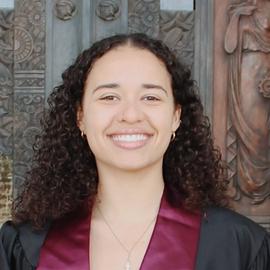
Veronika Croan
PhD Student - Colorado State University
Veronika is currently a PhD student in the Clinical Psychology Program at Colorado State University under the mentorship of Dr. Reagan Miller-Chagnon.